Estelhomme and Sons are pleased to announce the publication of Thoughts of a Herring: The Work of Ezra Asebae, the great photographer. Many have considered Asebae to be the most baffling, and therefore, the finest lensman of our time.
Asebae constantly reinvented himself, thus, an understanding of his work requires an intimate understanding of his life. Which, according to scholars, not even Asebae had.
The following examines the stages of this enigmatic shutterbug.
The Icon
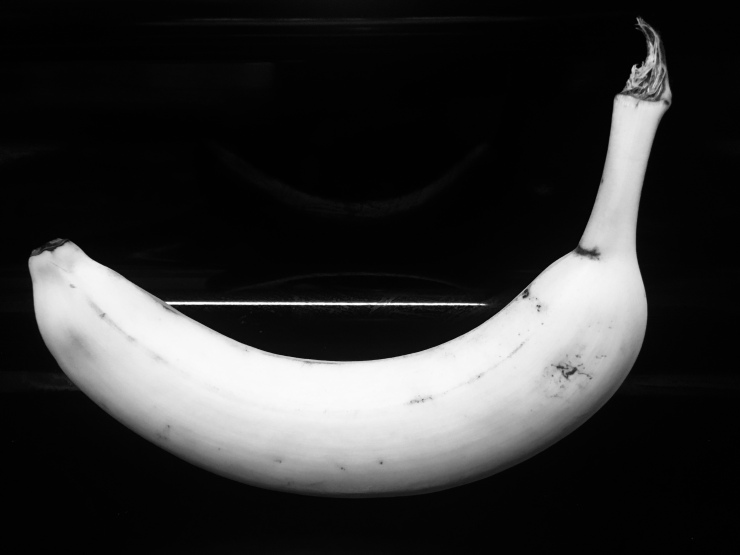
Asebae began his career as a wax fruit photographer for the Sears catalog. However, he was dismissive of his work, saying the models were too temperamental. But, he also saw the work as a way to fund more artistic works involving bags of ice.
Later, his groundbreaking compositions of a plastic banana for Fake Fruit Monthly and Inedible Desserts transformed a previously staid and rigid format into art. These images became legendary in the ersatz fruit photography world.
Asebae then moved to Paris and became involved with the Surrealists, mostly bussing tables. His stature in the movement grew with his “Asebaeographs.” These were images made without a camera by placing the object in a pig bladder and exposing it to an insurance salesman. The Asebaeographs pushed Asebae to the forefront of the art world and the rear of the line at the supermarket.
The Icon
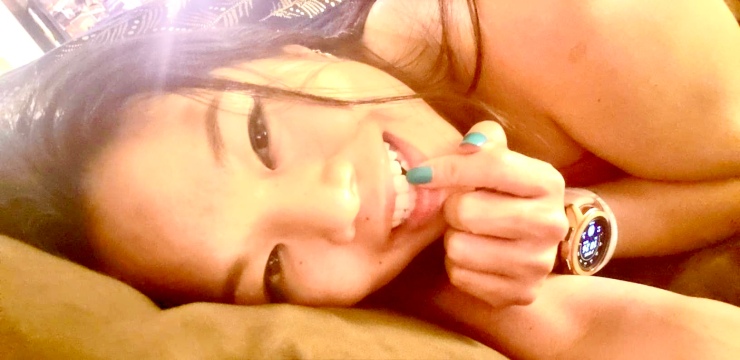
Asebae was now in high demand and celebrities begged him to take their portraits. He abandoned his signature Asebaeographs and began forging royalty checks.
He shifted to elaborately staged and brightly lit photos in intimate settings, usually his linen closet. Asebae also became infamous for over-the-top budgets, once spending $24 million on pastrami for a shoot with Irving Berlin.
The above photo of exotic chicken plucker Alexis Tanjiro propelled Asebae to international fame. Before taking the photo, Asebae promised to put Tanjiro on the cover of Say Kaddish magazine. Five hours later, Tanjiro was assassinated by a deranged fan, who turned her head into a wind instrument. The incident thrust Asebae into the darkest stage of his career.
The Controversy Creator
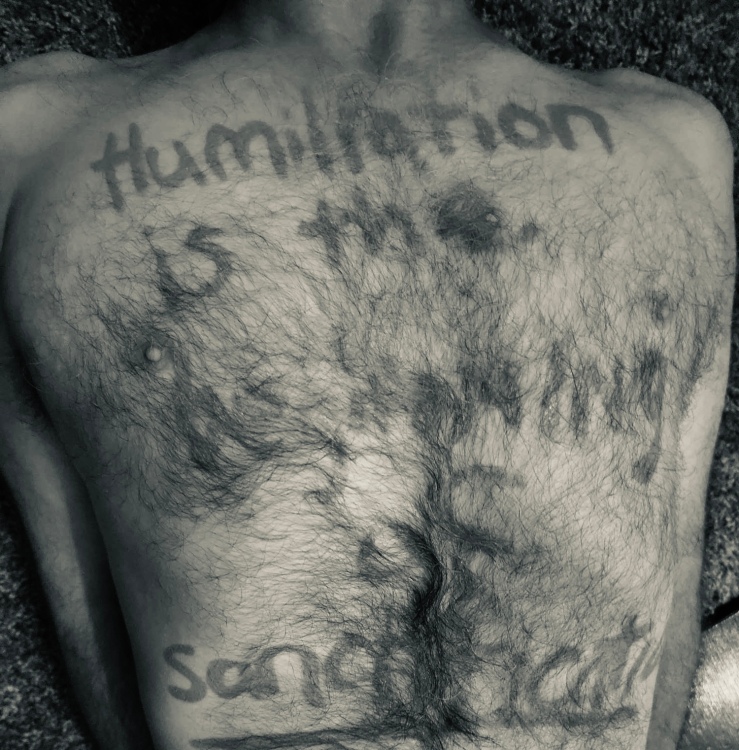
Despondent over Tanjiro’s assassination, Asebae attempted suicide by taking a bath and rolling in an electric blanket. Taking the suicide attempt as a cry for help, Asebae’s friend, the artist Arturo Floss, suggested going to an S&M club as a cathartic release. Thinking S&M meant “Ships and Marinas,” Asebae agreed.
Transfixed by the S&M rituals and regalia, most notably the five-hundred-foot rolls of plastic wrap, Asebae began exploring his sexuality. In the process, he self-portraits that eventually became the book, “The Perfect Salami.” The book eventually became a solo exhibit, which was appropriate because only one person attended.
Nonetheless, the exhibit created controversy; raising questions about censorship and whether government officials should dress like panda bears.
The controversy made Asebae a cause célèbre in the culture wars, especially in the use of semaphore. As a result, the prices for Asebae’s photos doubled, in that Asebae cut them all in half and sold each piece separately.
However, due to the controversy and spike in his bank account, Asebae renounced this period and fled to nature.
The Conservationist
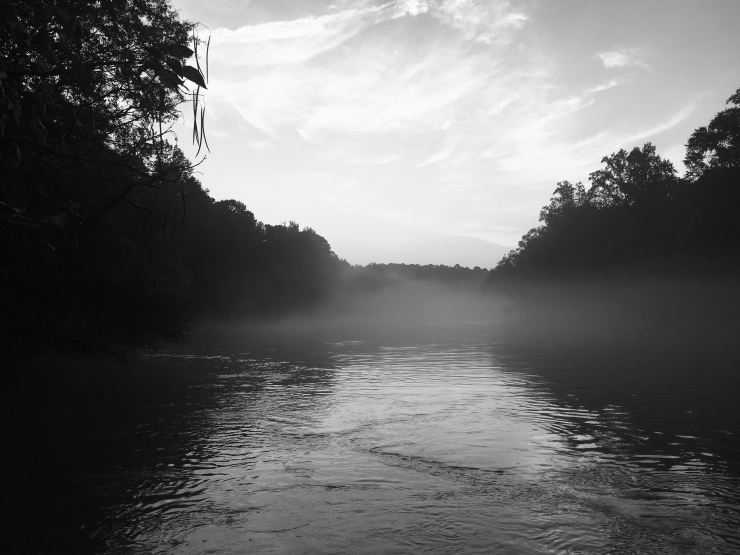
Asebae took a two-year sabbatical from photography. He spent the time-saving string for the Apocalypse and serving as the mascot for The Cheetah Memorial Lodge in Hot Curry, California. Even though the lodge was in the desert, the mascot costume was a tiger shark. The discord inspired Asebae to pick up the camera again.
His first nature photos, of a family of prairie dogs singing “Blue Suede Shoes,” appeared in the Sierra Club’s shopping guide. He ventured into untamed wilderness, hoping to find a moose using an abacus.
The majestic landscapes led Asebae to advocate for the establishment of Copse Canyon as a national park. He personally lobbied Congressmen, cabinet officers and the woodworkers that made the cabinets. Congress agreed, provided the name was changed to Foam Rubber City.
Satisfied with his conservation efforts, Asebae shifted his focus to the common man.
The Humanist
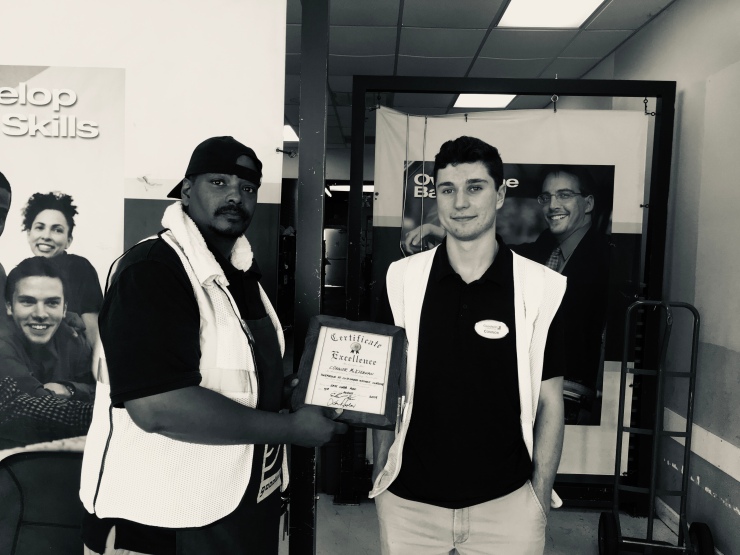
Asebae began photographing everyday people, but not every day. He took weekends off, Tuesday was pinochle day, and on Thursdays he had his gums massaged.
Asebae was fascinated by people creating their own identities or identities for other people. He was captivated by cross-dressers, nudists, people with trichinosis. He was mesmerized by people who were trapped in uniforms that lacked security, comfort or properly hemmed pants.
Whereas he previously photographed in intimate settings, Asebae now took pictures in familiar places-homes, on the street, embezzling from the company. He befriended his subjects, provided they never said the word “kugel.”
He was able to capture in his pictures a rare psychological intensity. A fervor not seen since Sigmund Freud ate a dozen hot dogs at a water polo match.
Due to his work with marginalized people, the Guggenheim awarded Asebae a fellowship for his proposal entitled, “American Rituals, Behaviors and Chicken Turtles.” Finally, the Metropolitan Museum of Modern Art in New York gave a major retrospective of his work, “Ezra Asebae: The Brighter Side of Wheezing.”
 Brian's Blog